
Geography
Intent
At Barford Primary School, our geography curriculum is ambitious, knowledge-rich and designed to inspire curiosity about the world and the diverse people who live within it. Following the CUSP Geography curriculum, pupils develop a deep understanding of places, environments and human interaction through carefully sequenced learning that builds progressively from the Early Years to Year 6.
Our curriculum develops pupils' knowledge of the world's physical and human features while encouraging them to think like geographers. Through studying a range of local, national and global locations, pupils develop an understanding of how places are shaped, connected and continually changing.
Geographical vocabulary is explicitly taught and revisited throughout every unit, enabling pupils to communicate their understanding confidently and accurately. We aim to develop environmentally aware, globally responsible citizens who understand the importance of sustainability and appreciate the diversity of our world, preparing them for future learning and life beyond primary school.
Implementation
Geography is taught through the CUSP Geography curriculum, which has been carefully sequenced to ensure geographical knowledge builds progressively throughout the primary years. New learning deliberately builds upon prior knowledge, enabling pupils to make meaningful connections between places, people and environments.
Every geography lesson begins by identifying the substantive concept being studied, allowing pupils to recognise the key geographical knowledge they are developing. Throughout the curriculum, pupils explore concepts including place, space, scale, environment, sustainability, settlement, climate, trade and interconnection, helping them understand both the physical and human processes that shape our world.
Alongside the substantive concept, pupils identify the disciplinary geography skill they will be developing. These include using maps, atlases and digital mapping, interpreting aerial photographs, collecting fieldwork data, analysing geographical information, comparing locations and drawing conclusions from evidence. By explicitly identifying both the knowledge and the geographical skill, pupils understand not only what they are learning but also how geographers investigate and understand the world.
Geographical vocabulary is explicitly taught in every lesson. Key vocabulary is introduced, displayed, modelled and revisited regularly, enabling pupils to discuss geographical concepts with increasing confidence and precision.
Fieldwork forms an integral part of our geography curriculum. Pupils develop practical geographical skills through first-hand investigations, collecting and analysing data, using maps and compasses, observing physical and human features and asking geographical questions. Teachers use ongoing assessment to identify misconceptions and ensure all pupils make excellent progress while maintaining consistently high expectations.
Impact
By the time pupils leave Barford Primary School, they possess a secure understanding of physical and human geography alongside the geographical skills needed to investigate and interpret the world around them. They confidently use maps, fieldwork techniques and geographical vocabulary to explain patterns, processes and relationships between places.
Pupils develop a strong sense of place, understand the importance of protecting the environment and appreciate the diversity of cultures and communities across the world. They leave Barford Primary School as curious, knowledgeable and responsible young geographers who are exceptionally well prepared for secondary geography and the wider world.
Geography in Action
Geography comes to life at Barford Primary School through practical investigations and meaningful experiences that encourage pupils to explore the world around them.
Pupils regularly develop their geographical enquiry skills through map work, aerial photography, digital mapping, data collection and practical fieldwork. They ask geographical questions, investigate local environments and draw conclusions using evidence, helping them understand how physical and human geography influences the places where we live.
Our diverse school community is celebrated throughout the curriculum. A large World Map proudly displays the countries and continents from which our pupils and their families originate, recognising the rich cultural diversity within Barford Primary School. This provides regular opportunities for pupils to compare these countries with the United Kingdom, exploring differences in climate, landscape, population, culture and physical and human geography. These discussions help pupils appreciate both their own heritage and the diversity of the wider world while promoting respect, inclusion and global citizenship.
By experiencing geography first-hand and making meaningful connections to their own lives, pupils develop curiosity, independence and an appreciation of the world beyond the classroom.
Enrichment
We believe the most meaningful geography learning takes place when pupils experience it for themselves. Our enrichment opportunities are carefully planned to complement classroom learning while developing geographical knowledge and enquiry skills through real-life experiences.
Early Years Foundation Stage (Reception)
Children begin developing geographical understanding by exploring their immediate environment and the wider world around them. Through local walks, seasonal observations, stories and discussions about different places, children begin to recognise similarities and differences between environments while developing an awareness of their local community and the wider world.
Each day before snack time, children explore where their fruit has come from by identifying its country of origin on a world map. They discuss questions such as Could we grow this fruit in the United Kingdom? Why or why not? This encourages children to think about weather, climate and seasons while introducing early geographical concepts in a meaningful, everyday context.
Key Stage 1
Pupils explore their local environment through carefully planned walks around the school grounds and surrounding area. They identify human and physical features, create simple maps and begin to understand how places can be described and compared.
As their understanding develops, pupils investigate their local community, recognising how places meet the needs of the people who live there while developing confidence in using geographical vocabulary and observational skills.
Key Stage 2
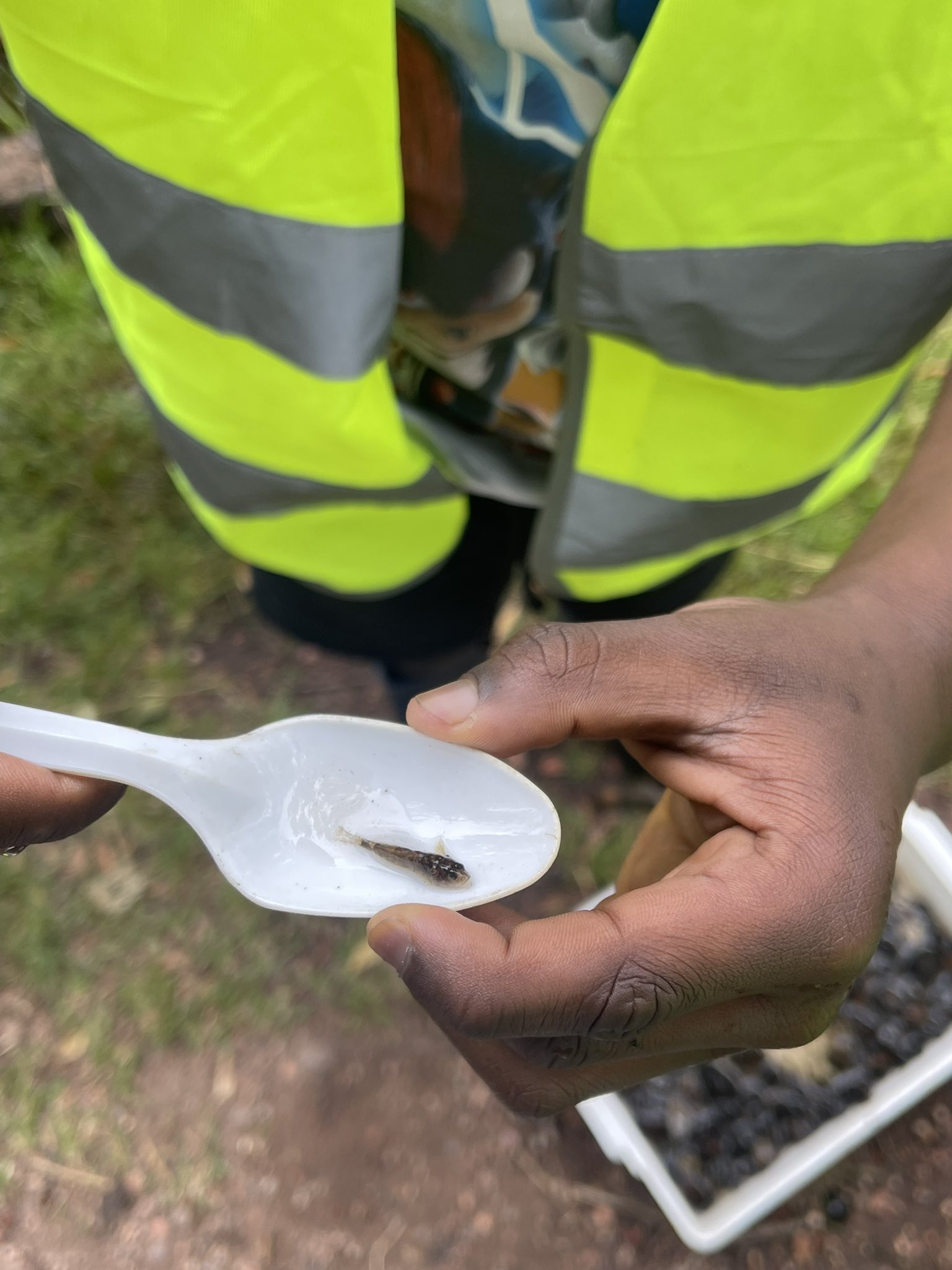
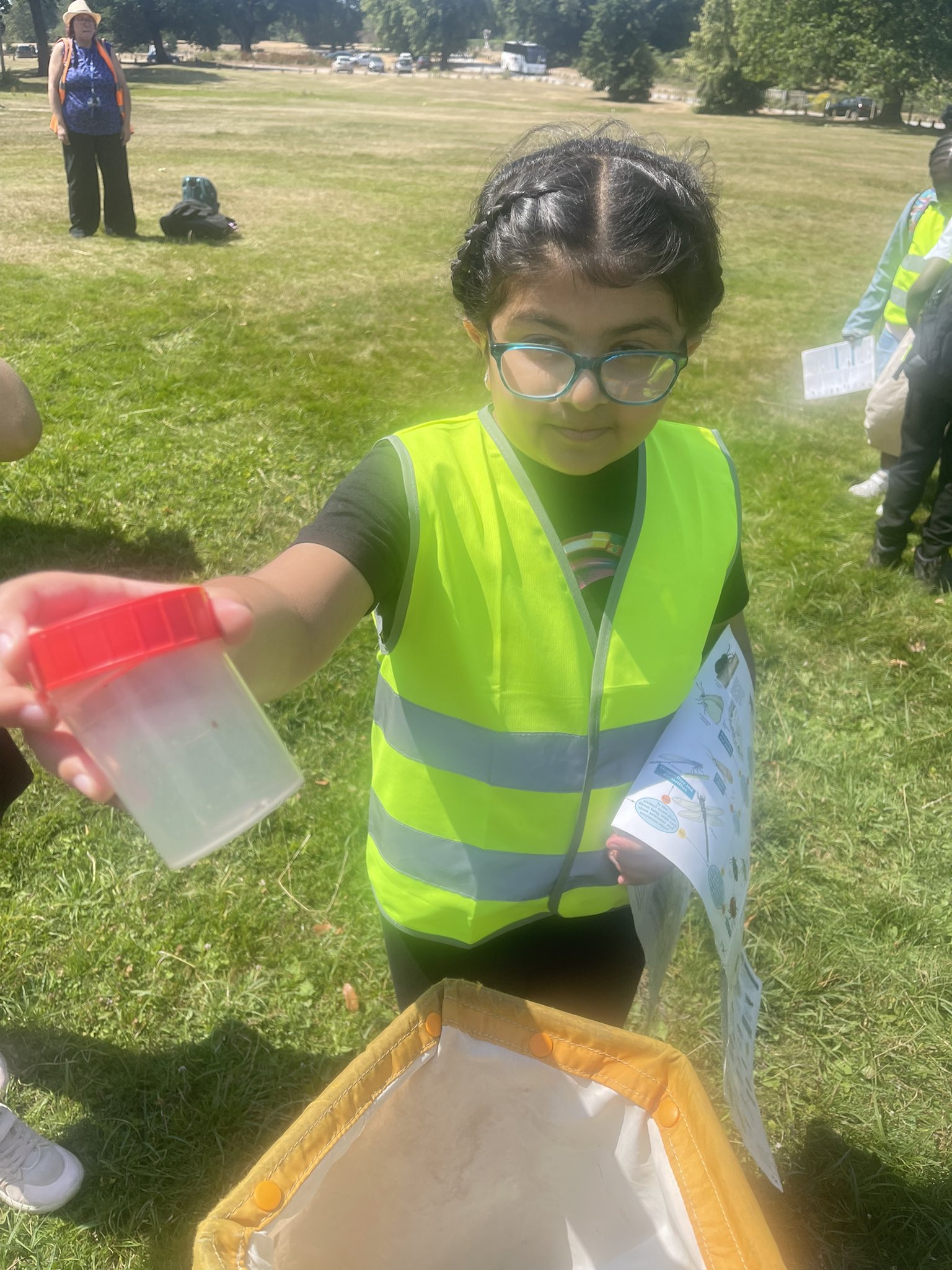
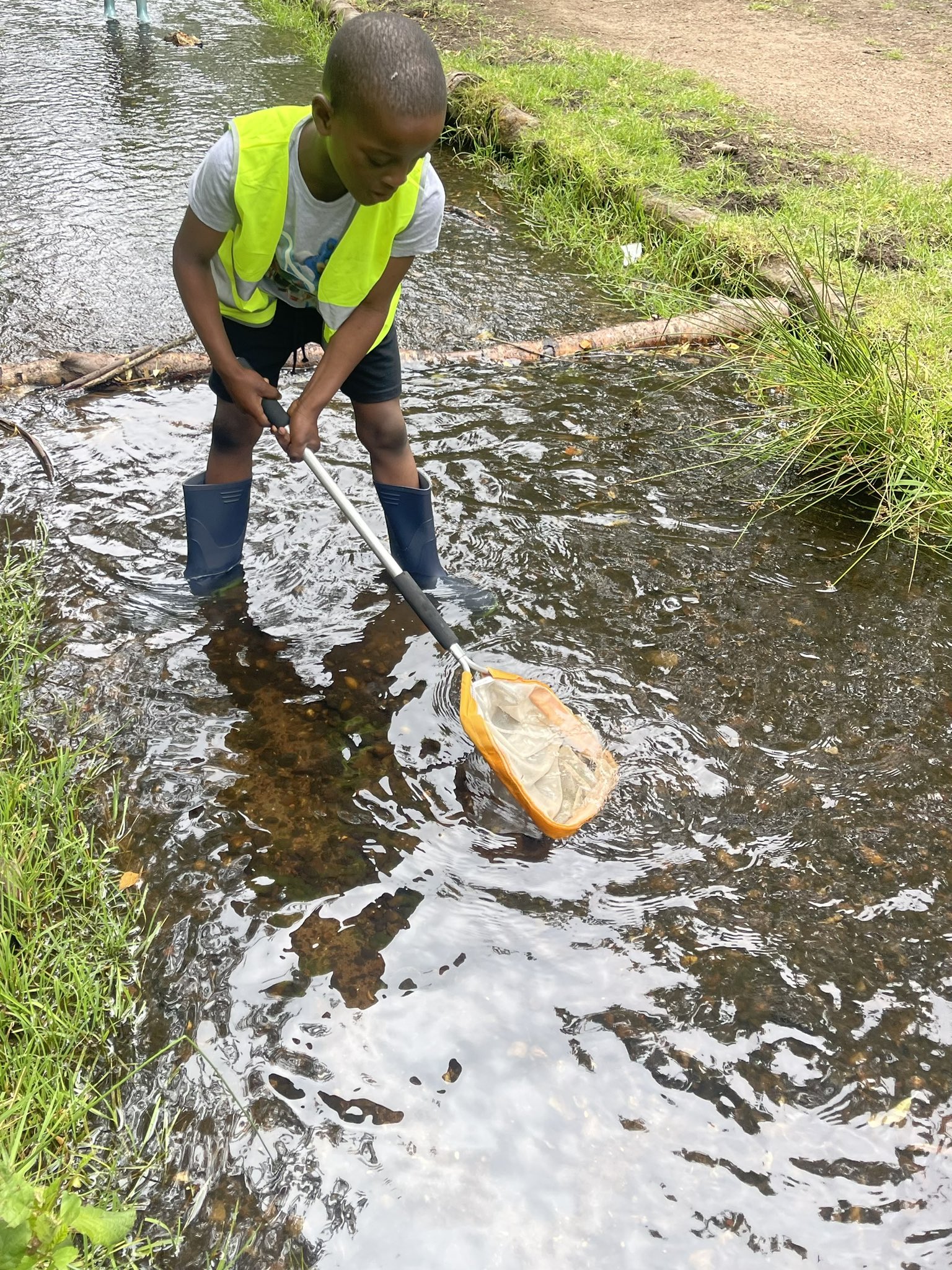
Fieldwork is an essential part of geography across Key Stage 2. Pupils undertake geographical investigations within the school grounds, the local community and nearby parks, collecting first-hand data to answer geographical questions and develop a deeper understanding of their local area.
Through these field studies, pupils learn to:
- Use maps, atlases, aerial photographs and digital mapping technologies.
- Collect, record and interpret geographical data.
- Observe and compare physical and human features.
- Conduct environmental quality surveys.
- Develop enquiry skills by asking geographical questions and drawing evidence-based conclusions.
- Understand how local environments change over time and how people influence places.
These practical experiences allow pupils to apply classroom learning in authentic contexts while strengthening their understanding of both physical and human geography.
Curriculum End Goals
Early Years Foundation Stage (EYFS)
By the end of Reception, children will develop an awareness of their immediate environment and begin to understand similarities and differences between places. They will explore the natural world, recognise seasonal changes and begin to describe features of familiar environments using simple geographical language. Children will also begin to understand that different foods, animals and people come from different parts of the world, providing secure foundations for Key Stage 1 geography.
Key Stage 1
By the end of Key Stage 1, pupils will understand the differences between human and physical features, recognise the countries of the United Kingdom and the surrounding seas, use simple maps and atlases and compare contrasting places. They will confidently use geographical vocabulary to describe locations and begin to investigate their local area through simple fieldwork.
Key Stage 2
By the end of Key Stage 2, pupils will have developed a secure understanding of physical and human geography through the progressive CUSP Geography curriculum. They will confidently use maps, atlases, digital mapping and fieldwork techniques to investigate places and environments. Pupils will understand how physical processes and human activity shape the world, appreciate the interdependence of people and places and recognise the importance of environmental sustainability. They will communicate geographical understanding using precise vocabulary and leave Barford Primary School as curious, knowledgeable and responsible geographers who are exceptionally well prepared for the disciplinary demands of secondary geography and the challenges of an increasingly interconnected world.