History
Intent
At Barford Primary School, our history curriculum is ambitious, knowledge-rich and designed to inspire pupils to become curious historians who understand how the past has shaped the world we live in today. Following the CUSP History curriculum, pupils develop a secure chronological understanding of British and world history through carefully sequenced learning that builds progressively from the Early Years to Year 6.
Our curriculum enables pupils to develop both substantive knowledge (the historical knowledge they learn) and disciplinary knowledge (how historians investigate, interpret and evaluate the past). By studying significant civilisations, people, events and periods in history, pupils develop an appreciation of change and continuity, cause and consequence, similarity and difference, and historical significance.
Historical vocabulary is explicitly taught and revisited throughout every unit, enabling pupils to discuss the past confidently and accurately. We aim to develop pupils who are inquisitive, reflective and able to think critically about historical evidence, preparing them for future study and helping them understand their place within Britain's story and the wider world.
Implementation
History is taught through the carefully sequenced CUSP History curriculum, ensuring knowledge is deliberately built over time and connected to prior learning. Each unit has been designed to strengthen pupils' chronological understanding while revisiting previously taught content, enabling children to retain knowledge within their long-term memory.
Every lesson begins by identifying the substantive concept being studied alongside the disciplinary lens through which pupils will think as historians. Pupils learn whether they are exploring concepts such as society, civilisation, monarchy, invasion, migration, settlement, trade, belief or conflict, while simultaneously understanding the disciplinary skills historians use, including interpreting sources, analysing evidence, identifying cause and consequence, recognising change and continuity, and evaluating historical significance.
By explicitly identifying both the historical concept and the disciplinary focus, pupils understand not only what they are learning but also how historians construct knowledge about the past. This develops increasingly sophisticated historical thinking and prepares pupils for the more disciplinary approach to history they will encounter at secondary school.
Historical vocabulary is explicitly taught in every lesson. Key vocabulary is introduced, displayed, modelled and revisited regularly, enabling pupils to confidently explain historical events, justify their thinking and communicate using precise historical language.
Throughout the curriculum, pupils work with a wide range of historical evidence including artefacts, photographs, maps, written accounts and primary and secondary sources. They learn to ask thoughtful questions, compare interpretations and develop informed conclusions using evidence rather than assumption. Teachers use ongoing assessment to identify misconceptions and ensure all pupils make strong progress while maintaining consistently high expectations.
Impact
By the time pupils leave Barford Primary School, they possess a secure chronological understanding of British and world history and understand how significant events and civilisations have influenced life today. They confidently use historical vocabulary, analyse historical evidence and communicate balanced judgements supported by evidence.
Pupils develop curiosity about the past, appreciate different perspectives and understand that history is constructed through evidence and interpretation. They leave Barford Primary School as knowledgeable, reflective and confident historians who are exceptionally well prepared for secondary history and lifelong learning.
History in Action
History comes alive at Barford Primary School through immersive experiences that allow pupils to step into the past and develop a deeper understanding of historical events.
Historical enquiry sits at the heart of our curriculum. Pupils investigate artefacts, photographs, maps, written records and eyewitness accounts, asking meaningful questions and using evidence to build informed conclusions. Through role play, debate, practical activities and immersive learning experiences, children develop empathy while recognising that historical interpretations can differ depending on the evidence available.
Our curriculum encourages pupils to think critically, challenge assumptions and understand that history is more than learning dates—it is about discovering how people, events and decisions have shaped the modern world.
Enrichment
We believe the most memorable history learning takes place when pupils experience the past first-hand. Our enrichment opportunities are carefully planned to complement classroom learning and deepen pupils' understanding of the historical periods they study.
Educational Visits
Year 2 pupils visit Selly Manor, where they explore life during the Great Fire of London. Through artefacts, role play and practical workshops, pupils develop a deeper understanding of how the fire spread, its impact on London and the changes that followed.
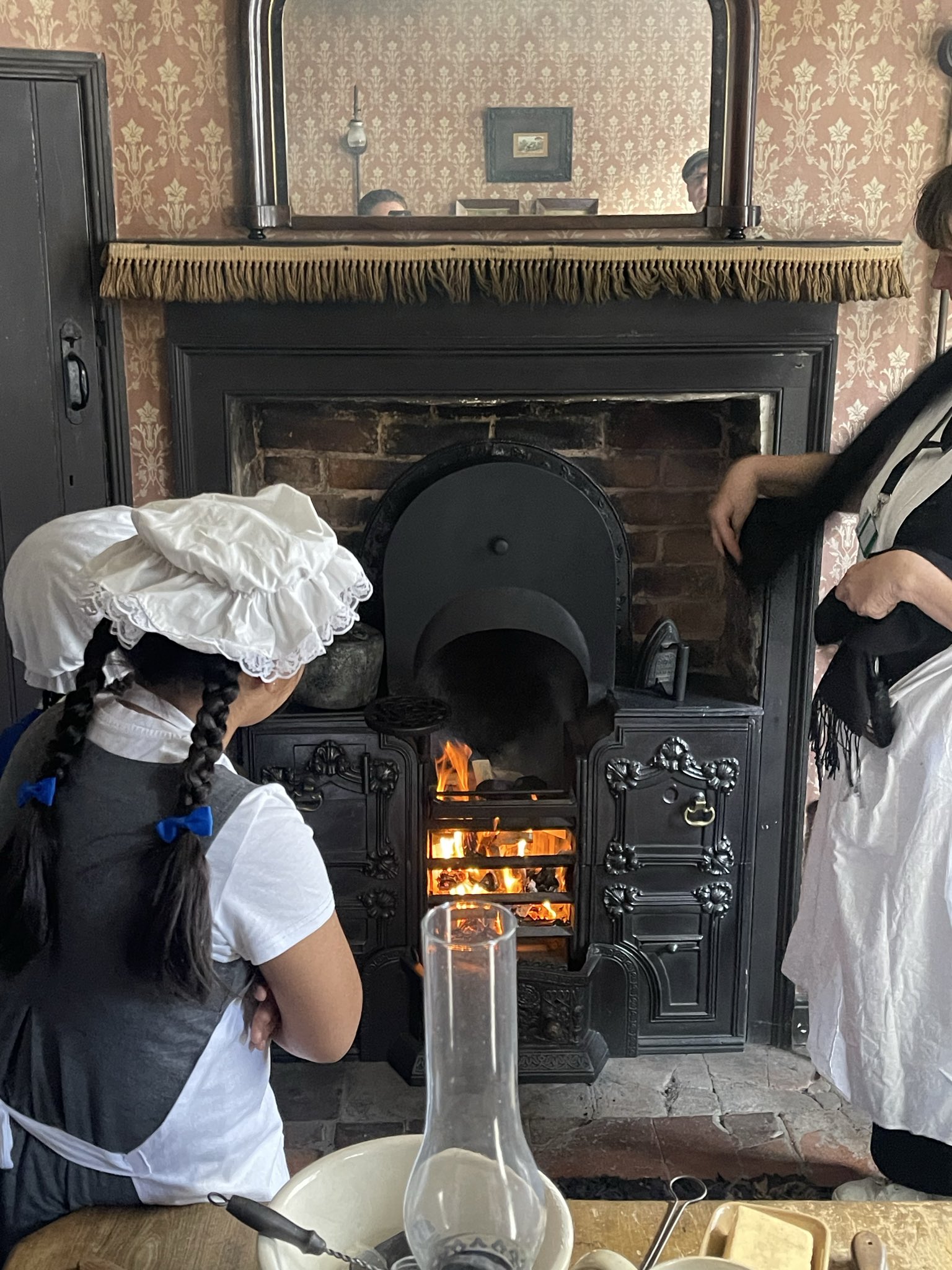
Year 3 pupils visit the Birmingham Back to Backs, investigating how ordinary people lived during the Industrial Revolution. This historical enquiry enables pupils to compare homes, lifestyles and working conditions while making meaningful links to Birmingham's local history.

Immersive Workshops
To further enrich learning, pupils participate in specialist historical workshops that bring history to life.
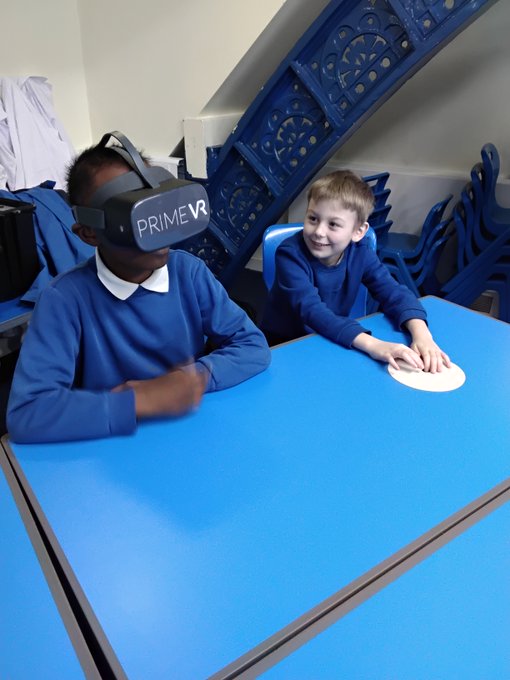
- Year 3 experience a Stone Age Workshop, including an immersive Virtual Reality experience that transports pupils back in time to explore prehistoric life.
- Year 5 take part in the Time Travel TV Ancient Greece Workshop, where drama, storytelling and practical activities develop pupils' understanding of Ancient Greek civilisation and its lasting influence on democracy, philosophy, art and sport.
- Year 6 participate in an immersive World War II Virtual Dome Experience, allowing pupils to explore significant events of the Second World War through engaging visual technology that strengthens historical understanding and empathy.
Celebrating History
Throughout the year, pupils proudly showcase their historical learning during Curriculum Assemblies for parents and families. These celebrations demonstrate how history connects with other curriculum subjects through poetry, music, art and design, allowing pupils to present their knowledge creatively while developing oracy and confidence.
These experiences also promote our Barford Values, particularly Confidence and Resilience, as pupils perform, present and explain their historical understanding to authentic audiences.
Together, these enrichment opportunities enable pupils to experience history beyond the classroom, deepen their understanding through memorable first-hand experiences and inspire a lifelong fascination with the past.
Curriculum End Goals
Early Years Foundation Stage (EYFS)
By the end of Reception, children will begin to understand the concepts of past and present, recognising changes over time within their own lives, families and communities. Through stories, discussions and exploration of familiar events, children develop curiosity about the past and begin using language related to time, laying secure foundations for future historical learning.
Key Stage 1
By the end of Key Stage 1, pupils will understand key events and significant individuals from the past while developing an awareness of chronology. They will compare different periods, recognise similarities and differences between past and present and begin to use historical sources to answer simple questions. Pupils will confidently use historical vocabulary and explain their understanding using evidence from what they have learned.
Key Stage 2
By the end of Key Stage 2, pupils will possess a secure chronological understanding of British and world history and understand how civilisations, monarchs, migration, conflict, innovation and significant events have shaped modern society. They will confidently analyse a range of historical sources, evaluate different interpretations, recognise cause and consequence, identify change and continuity and communicate balanced historical arguments using precise historical vocabulary. Pupils leave Barford Primary School as knowledgeable, thoughtful and confident historians who are exceptionally well prepared for the disciplinary demands of secondary history and equipped with a deep appreciation of how the past continues to influence the present and future.